Easter Coloring Pages Easter Vector Review
As a designer who has spent years translating digital graphics into tangible stitched goods, I approach every new asset with a critical eye. The market is flooded with generic clip art, but finding a Easter Coloring Pages Easter Vector that actually translates well to needle and thread is a different challenge entirely. Today, I am evaluating this specific vector set not just as a printable file, but as a potential foundation for high-quality embroidery projects. My goal is to help you decide if this design belongs in your commercial inventory or your personal craft stash.
First Impressions: From Screen to Hoop
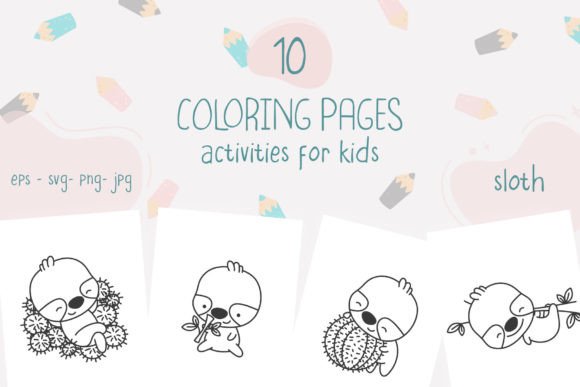
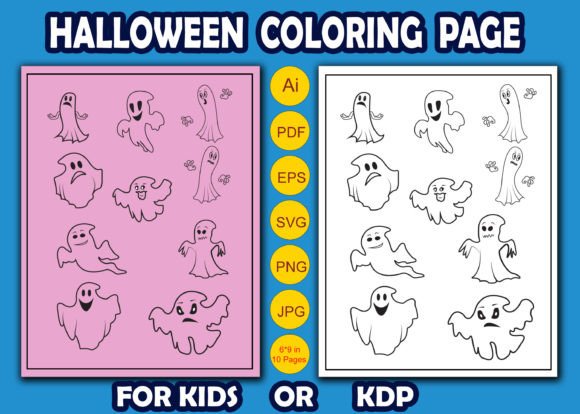
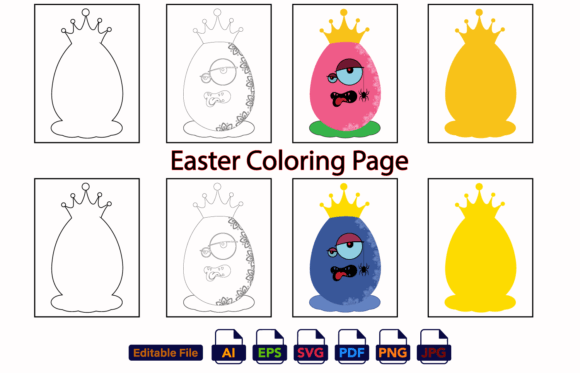
When I first opened the Easter Coloring Pages Easter Vector file, the immediate visual personality was playful and whimsical. The description highlights "Easter Egg Funny Vector" elements, which suggests a lighthearted, cartoonish aesthetic rather than a photorealistic or intricate floral style. For an embroidery project, this is a double-edged sword. Simple, bold lines are often a blessing when converting a graphic to a machine embroidery design because they reduce the risk of stitch definition getting lost on textured fabrics.
The mood created by these vectors is undeniably festive. They scream springtime fun, making them ideal for seasonal collections. However, as a reviewer, I immediately began mentally mapping how these shapes would behave under a needle. The "coloring page" nature implies open spaces and clear outlines. In the world of machine embroidery design, open spaces are perfect for fill stitches, while clear outlines can be easily converted into satin stitch borders. This structural simplicity gives me confidence that the final finished product will retain its character without becoming a muddy mess of threads.
A Real-World Test: The Custom Tote Bag Scenario
To truly understand the value of this asset, let's imagine a real-life scenario. You are a small shop owner preparing for the Easter rush, and you want to create a line of custom embroidered tote bags. These bags need to be durable, visually appealing from a distance, and quick to produce. I envision taking one of the funny egg vectors from the Easter Coloring Pages Easter Vector collection and scaling it up for the front panel of a heavy-duty cotton tote.
In this context, the design shines. The bold outlines of the vector would translate beautifully into a thick satin stitch border, giving the egg a raised, professional look. The interior of the egg could be filled with a dense fill stitch using pastel thread colors like mint green, soft pink, or sunny yellow. Because the original vector is designed for coloring, the sections are likely distinct, which makes color separation for embroidery much easier. A customer walking past your booth at a craft fair would immediately recognize the cheerful theme, and the clean lines would ensure the design remains crisp even after the bag is washed multiple times.
This application works perfectly for custom apparel beyond just totes. Imagine this same design on a kids' sweatshirt or a baby onesie. The "funny" aspect mentioned in the product description adds a layer of humor that parents love. A personalized gift featuring a silly egg face stitched onto a nursery blanket or a pillow cover feels handmade and thoughtful, elevating the perceived value of the item significantly.
Where Caution Is Required
While the potential is high, there are specific situations where the Easter Coloring Pages Easter Vector requires careful handling. If you plan to use this for embroidered patch production on very small items, such as a cap brim or a keychain, you must be mindful of detail loss. Vectors intended for coloring pages sometimes contain fine internal details that look great on paper but might get swallowed by the thickness of embroidery thread.
If you are working with stretchy fabrics like jersey knit for t-shirts, the density of the fill stitch becomes critical. Too dense, and the fabric will pucker; too light, and the design will sag. Since this is a Graphics file originally meant for print, you will need to adjust the stitch density during the digitizing process to accommodate the give of the fabric. Similarly, dark fabrics present a challenge. The light, airy feel of a coloring page vector relies heavily on contrast. On a black sweatshirt, you cannot simply stitch white outlines; you will need a solid backing layer of fill stitch to make the colors pop, which increases material costs and stitching time.
Another area to watch is the hoop size. Some of the larger vector compositions in this set might exceed the capacity of a standard 4x4 hoop, requiring you to reposition the design or split it into multiple hoops. This is tedious for small business owners trying to maintain efficiency. Always test the design on scrap fabric first to ensure the layout fits your equipment before committing to a client order.
Impact on Brand and Customer Trust
For an Etsy seller or a boutique brand owner, the quality of your design assets directly impacts customer trust. Using a well-thought-out Easter Coloring Pages Easter Vector that has been properly adapted for embroidery signals professionalism. It shows that you care about the longevity and appearance of your products. Conversely, rushing a complex vector into a machine without proper adjustment can result in tangled threads and poor definition, leading to negative reviews.
The versatility of this design allows for consistent branding across different product types. Whether you are selling a kitchen towel, a holiday gift, or a piece of nursery decor, the recognizable style of the vector creates a cohesive collection. This consistency helps buyers identify your brand instantly. When customers see a high-quality handmade product with clear, vibrant stitching, they are more likely to return for future purchases and recommend your shop to others.
Practical Designer Notes for Success
Before you integrate Easter Coloring Pages Easter Vector into your workflow, follow these practical steps to ensure success:
- Test on Scrap Fabric: Never skip this step. Stitch a sample on the exact fabric you intend to use to check for puckering and registration issues.
- Check Thread Color Contrast: Ensure the thread colors you select provide enough contrast against the background fabric. What looks good on a screen may disappear on a heather gray shirt.
- Review Stitch Density: Adjust the density settings in your digitizing software. Coloring page vectors often have large open areas that require specific fill patterns to prevent gaps.
- Confirm Hoop Size: Measure the bounding box of the design against your machine's maximum hoop dimensions to avoid awkward splitting.
- Inspect Small Details: Zoom in on the vector to identify any tiny lines or text that might be too small to stitch effectively. Simplify these elements if necessary.
- Use Proper Stabilizer: Choose a stabilizer that matches the weight and texture of your fabric. A tear-away might work for a sturdy tote, but a cut-away is better for stretchy garments.
- Verify Licensing: While the product description mentions use for school classes and parties, always confirm the licensing terms regarding commercial embroidery before selling finished items or digital files.
Ultimately, the Easter Coloring Pages Easter Vector offers a delightful starting point for spring-themed projects. Its simple, fun aesthetic is well-suited for a wide range of applications, from personalized gifts to small shop merchandise. By approaching it with a designer's mindset—testing thoroughly, adjusting for fabric, and respecting the limitations of the medium—you can transform these digital graphics into stunning, sellable embroidered treasures. Whether you are a hobbyist looking for a fun weekend project or a creative entrepreneur building a seasonal catalog, this asset has the potential to add genuine value to your work if handled with care.