Collection of Cute Sloth Coloring Page Review
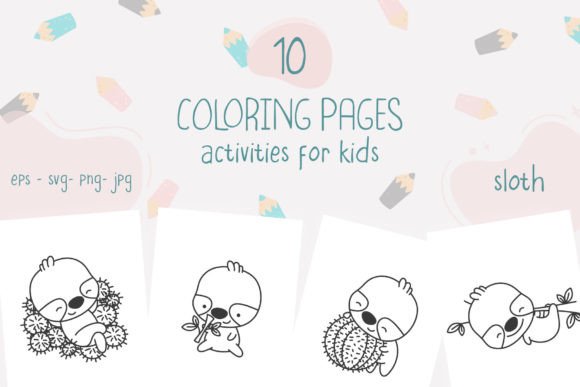
As a designer who has spent years translating digital graphics into tangible stitched goods, I approach every new asset with a critical eye. The market is flooded with generic clip art, but finding a set that balances charm with technical viability is rare. Today, I am evaluating the Collection of Cute Sloth Coloring Page. While the product description explicitly markets this as a set of ten black and white illustrations for children's coloring books or KDP projects, my perspective is different. I am looking at how these Graphics translate from a printable format to a high-quality machine embroidery design.
First Impressions: From Line Art to Stitched Reality
The initial visual impact of the Collection of Cute Sloth Coloring Page is undeniably charming. The sloths are rendered with a distinct "funny" personality, featuring exaggerated expressions and relaxed postures that immediately evoke a sense of calm and whimsy. In the context of Coloring Pages Amp, these clean lines are perfect for crayons and markers. However, when I mentally overlay a stitching grid onto these images, specific challenges and opportunities emerge.
The line work is bold and relatively simple, which is excellent news for embroidery. Complex shading often gets lost in fill stitch patterns, resulting in muddy textures on fabric. These sloths rely on strong outlines and minimal internal detail. This suggests they would convert beautifully into a running stitch outline or a satin border around a solid fill. The mood is playful yet soft, making them ideal candidates for baby embroidery, nursery decor, or lighthearted custom apparel.
Real-World Application: A Custom Tote Bag Scenario
To truly test the viability of this set, let's imagine a practical scenario. I am preparing a limited run of canvas tote bags for a local craft fair. My goal is to create a "Slow Down" collection that appeals to parents and teachers. I select one of the sloths from the Collection of Cute Sloth Coloring Page where the animal is hanging from a branch.
In a real-world embroidery project, the first step is digitizing or converting the vector file if it isn't already provided as an embroidery file. Since the source is a coloring page, the lines are continuous. On a sturdy cotton tote bag, I would aim for a hoop size that captures the entire sloth without stretching the image. The thick outlines of the sloth's face would benefit from a dense satin stitch to pop against the natural beige of the canvas. The body could be filled with a textured fill stitch to add depth without overwhelming the fabric.
Customers reacting to this finished product would likely appreciate the tactile quality of the thread against the canvas. Unlike a printed graphic that feels flat, the raised texture of the sloth adds a premium feel to the handmade product. This transformation elevates the item from a simple bag to a desirable personalized gift. The humor of the sloth's expression translates well, creating an instant connection with the buyer.
Navigating Technical Challenges and Fabric Choices
While the potential is high, using a coloring book graphic for embroidery requires caution. Not all fabrics will play nice with this design. If you attempt to use the Collection of Cute Sloth Coloring Page on thin or stretchy fabric like jersey knit for a t-shirt, the tension from the stitches could cause puckering. The bold lines might distort if the stabilizer is insufficient.
I strongly advise testing the design on scrap fabric first. Check the stitch density carefully. If the original illustration has very tight corners or tiny details, such as the tips of the claws or small facial features, these areas may require manual editing in your digitizing software. Too much detail in a small area can lead to thread breaks or an unclear finished product. For dark fabric backgrounds, you will need to consider adding a layer of underlay or even an applique design base to ensure the bright thread colors stand out clearly.
Furthermore, curved surfaces like caps present a unique challenge. The sloth's rounded shape fits naturally, but the hanging branches might struggle to lay flat on a curved brim. Always review how the design sits in a 3D mockup before committing to production. For holiday embroidery items like pillow covers or kitchen towels, the stiffer fabric provides a better foundation for maintaining the crisp lines of the sloth illustrations.
Strategic Value for Small Business Owners and Etsy Sellers
For the Etsy seller or small shop product creator, the versatility of this set is its greatest asset. Because there are ten variations, you can create a cohesive brand line without the designs feeling repetitive. You could offer a "Sloth Squad" collection where each item features a different pose. This variety increases customer engagement and encourages repeat purchases.
However, professional presentation is key. Before listing these items, create high-quality printable mockups that show the design in context. Show the sloth on a sweatshirt, a baby onesie, and an apron. This helps buyers visualize the scale and texture. Remember that trust is built on consistency. If your commercial embroidery looks sloppy or the thread colors clash with the fabric, it damages your brand reputation. Use proper thread colors that complement the fabric texture, ensuring the final result looks intentional and polished.
Essential Designer Notes for Success
- Verify Licensing: Even though this is marketed for coloring books, confirm the license terms allow for commercial embroidery and selling finished physical goods. Do not assume a print license covers textile production.
- Check File Formats: Ensure you have access to the correct digital embroidery file formats compatible with your machine. If only PDFs or JPGs are provided, you will need robust digitizing skills to convert them effectively.
- Test Color Contrast: The black and white nature of the original means you have full creative freedom with color. Test different combinations on light and dark backgrounds to see what yields the best visual appeal.
- Inspect Small Details: Zoom in on the eyes and claws. If they are too small, simplify them during the digitizing process to prevent stitching errors.
- Stabilizer Selection: For items like sweatshirt embroidery or tote bag design, use a cut-away stabilizer to support the weight of the stitches and prevent distortion over time.
In conclusion, the Collection of Cute Sloth Coloring Page offers a delightful foundation for creative textile projects. With careful planning, proper stabilization, and attention to stitch mechanics, these cute animals can become the star of your next craft business launch. Whether you are making a single personalized gift or a full line of small shop merchandise, the charm of these sloths, combined with professional execution, will undoubtedly resonate with your customers.