Each Day is a New Beginning Sublimation Review
As a designer who has spent years navigating the intersection of digital graphics and physical stitching, I approach every new asset with a critical eye. The market is flooded with generic machine embroidery design files, but finding one that truly translates well from screen to fabric requires patience and experience. Today, I am evaluating Each Day is a New Beginning Sublimation, a piece categorized under Print Templates and Graphics. While the title suggests a sublimation focus, my goal is to determine if this visual concept holds up when adapted for real-world textile projects, specifically for those of us creating handmade goods for Etsy or boutique shops.
The First Impression: Mood and Visual Weight
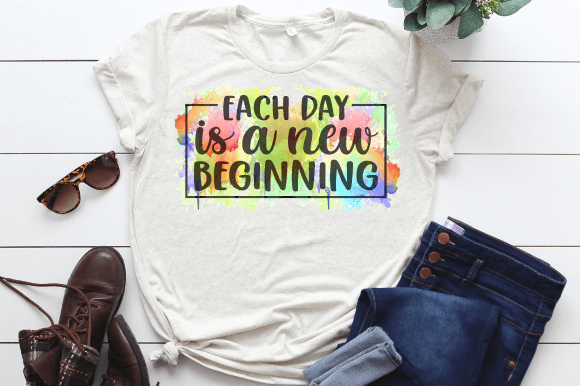
When I first opened the high-resolution 300 DPI PNG file for Each Day is a New Beginning Sublimation, the immediate feeling was one of gentle optimism. The typography and layout suggest a design meant to inspire, making it an ideal candidate for items like nursery decor, kitchen towels, or personalized gifts for someone starting a new chapter in life. The clean lines and transparent background are significant advantages; they allow for seamless integration into various mockups without the hassle of cropping out white boxes.
However, as a professional reviewer, I must look beyond the aesthetic appeal. The description notes that SVG files cannot be created because the vector data cannot be parsed. This is a crucial detail for any serious crafter. It means we are working strictly with raster images. For a sublimation project, this is perfect. But for an embroidery project, it changes the workflow entirely. We cannot simply drag this into our digitizing software and expect a perfect stitch-out. Instead, this graphic serves as a strong visual reference or a base layer for manual digitization, requiring us to trace the shapes to create the necessary satin stitch and fill stitch paths.
Real-World Application: From Digital File to Stitched Reality
Let's imagine a practical scenario. I am preparing a custom order for a client who wants a motivational message on a heavy cotton tote bag. The phrase "Each Day is a New Beginning" is short enough to fit within a standard 5x7 hoop, but the font choice in the original digital product might be too thin for embroidery. If I were to attempt to stitch this directly using the provided PNG as a guide, I would need to adjust the line weight significantly.
In a real-life custom apparel setting, such as a sweatshirt or a baby onesie, the texture of the fabric plays a massive role. On a soft fleece sweatshirt, a dense stitch density can cause puckering if not managed correctly. Since Each Day is a New Beginning Sublimation is a raster image, I would use it to plan my color palette. The design likely features soft gradients or specific color combinations that work beautifully in print but might require simplification for thread. For instance, a subtle gradient in the PNG might need to be converted into two distinct thread colors separated by a running stitch outline to maintain clarity.
For an Etsy seller looking to expand their catalog, this design fits perfectly into the "inspirational home goods" niche. Imagine placing this on a pillow cover or an apron. The message resonates with customers seeking comfort and positivity. However, because the source file is a PNG, you cannot resize it infinitely without losing quality if you intend to use it for large-format printing or very large embroidery hoops. You must check the pixel dimensions before committing to a large-scale finished product.
Navigating Limitations and Fabric Challenges
There are specific areas where caution is required when adapting Each Day is a New Beginning Sublimation for embroidery. The lack of vector data means that tiny details in the lettering could become muddy if the design is scaled down too much. If you are planning to put this on a small cap or a patch, you must test the legibility first. Thin serifs or delicate curves in the original graphic often translate poorly to thread, resulting in gaps or broken stitches.
Fabric texture is another variable. On textured fabrics like canvas or denim, the design needs to be bold. A delicate version of this graphic might get lost in the weave of the material. Conversely, on thin or stretchy fabrics, the stabilizer becomes your best friend. Without proper backing, the tension from the needle pulling through the fabric could distort the shape of the text. Always test the design on scrap fabric that matches your final project's weight and texture.
Furthermore, consider the lighting conditions. If you are selling these as holiday gifts or personalized items, the way light hits the thread matters. A design that looks vibrant on a screen might appear dull if the thread colors do not have enough contrast against the fabric. When reviewing Each Day is a New Beginning Sublimation, I recommend creating black and white mockups to see if the shapes hold up without color distraction. This helps ensure the silhouette of the text remains readable regardless of the background.
Professional Tips for Commercial Success
For those of you running a craft business or managing a small shop, the transition from a digital graphic to a sellable item requires attention to detail. Before listing a product featuring this design, verify the licensing terms. Just because you purchased the PNG does not automatically grant you the right to resell the digital file itself or claim the design as your own original creation. Most commercial embroidery licenses allow you to sell finished stitched items, but you should never redistribute the raw file.
Here are a few practical steps I take before launching a new product line based on assets like this:
- Test Hoop Size: Ensure the design fits comfortably within your machine's hoop with room for the clamps. Do not push the limits of the hoop size, as this leads to registration issues.
- Check Thread Contrast: Use a physical swatch book to match the thread colors to the PNG preview. What looks blue on a monitor might actually be teal in person.
- Inspect Small Details: Zoom in on the lettering. Are there any parts that are too small to stitch? If so, simplify them manually during the digitizing process.
- Stabilizer Selection: For items like embroidered patches or baby embroidery, use a cutaway stabilizer to support the stitches over time and washing.
- Mockup Validation: Create realistic printable mockups to show potential buyers how the design looks on different products, such as tea towels or tote bags.
Ultimately, Each Day is a New Beginning Sublimation offers a beautiful foundation for creative entrepreneurs. Its high resolution and clear messaging make it a versatile asset for personalized gifts and small shop merchandise. While the lack of vector files adds a step to the workflow for embroiderers, the end result can be a high-quality, professional-looking item that customers will love. By treating this graphic as a blueprint rather than a ready-to-stitch file, you can leverage its emotional impact while ensuring technical excellence in your stitching. Whether you are decorating a simple t-shirt or creating a complex handmade product, the key lies in understanding how the digital vision translates to the tactile reality of thread and fabric.