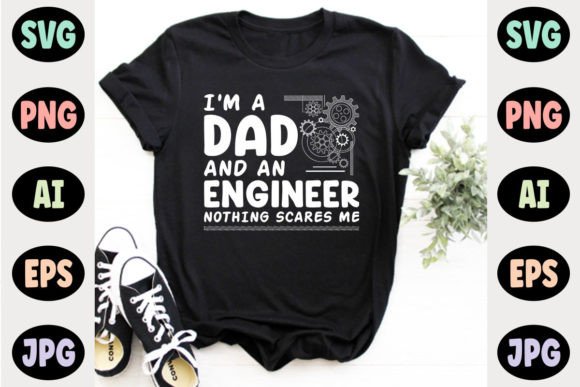
Aerospace Engineering T-shirt Design Review
As someone who has spent years navigating the intersection of digital design files and physical stitching, I approach every new asset with a critical eye. The market is flooded with generic graphics, but finding a piece that translates well from screen to fabric requires patience and experience. Recently, I examined the Aerospace Engineering T-shirt Design, a typographic lettering quote aimed at engineers and technical professionals. My goal was not just to see how it looks in a preview window, but to determine if it holds up under the pressure of real-world embroidery projects for clients and small businesses.
First Impressions: Typography Meets Technical Precision
The initial view of this design immediately signals its target audience. It leans heavily into the aesthetic of precision and intellect, which is exactly what an aerospace enthusiast expects. The layout is clean, avoiding the cluttered feel that often plagues typographic designs when they are scaled down. For a designer, the visual personality here is professional yet accessible. It feels like something that would look sharp on a high-quality sweatshirt or a structured tote bag rather than a flimsy promotional item.
When evaluating any machine embroidery design, the balance between negative space and stitch coverage is crucial. In this case, the lettering appears robust enough to maintain legibility even when stitched with standard fill stitches. However, typography can be tricky; if the kerning is too tight, the thread tension might cause the letters to merge, ruining the clarity of the message. As I prepared to test this file mentally, I noted that the stroke width seems consistent, which is a good sign for maintaining uniformity across different fabric textures.
Testing the Waters: A Real-World Scenario
To truly understand the potential of the Aerospace Engineering T-shirt Design, I imagined a specific client request. Picture a boutique owner preparing a limited run of holiday gifts for a local engineering firm. They want personalized hoodies for their senior staff. The challenge here is durability and presentation. These aren't just gifts; they are statements of pride in the profession.
In this scenario, placing the design on a heavy cotton hoodie using a medium-sized hoop would likely yield excellent results. The weight of the fabric supports the density of the stitches, preventing puckering. If I were executing this as a custom apparel project, I would opt for a high-contrast thread color palette. A dark charcoal hoodie with silver or white thread would make the typographic quotes pop, enhancing the visual appeal and ensuring the text remains readable from a distance. This level of attention to detail transforms a simple graphic into a premium handmade product that commands a higher price point.
Conversely, consider using this same design on a lightweight baby onesie. While cute, the density required for clear lettering might overwhelm thin fabric. The resulting garment could become stiff and uncomfortable against sensitive skin. This highlights the importance of matching the design to the right substrate. Not every T-Shirt Designs asset works universally across all garments, and recognizing these limitations is key to maintaining customer trust.
Where Caution Is Required
While the design shows promise, there are specific situations where extra care is needed. Small hoop sizes are a potential pitfall. If you attempt to stitch this typographic quote in a 4x4 inch hoop without scaling appropriately, you risk losing the integrity of the smaller characters. The running stitch details that define the edges of the letters may become indistinct, leading to a messy finished product.
Textured fabrics also demand caution. Embroidering on fleece, corduroy, or knits with a heavy nap can distort the straight lines of the lettering. The needle struggles to penetrate consistently, which can lead to skipped stitches or uneven satin stitch borders. Additionally, curved surfaces like caps present a unique challenge. The flat geometry of the text might warp slightly when forced onto a rounded surface, requiring careful digitization adjustments or the use of a specialized cap frame.
For those planning to sell items featuring this design, such as embroidered patches or tote bags, frequent washing is another factor. Dense stitch areas can trap detergent and moisture, potentially causing fading or fabric degradation over time. Ensuring the stabilizer is properly trimmed and the backing is secure will help the product withstand the rigors of daily wear.
Impact on Brand and Product Value
Using a well-executed design like the Aerospace Engineering T-shirt Design significantly impacts the perceived value of your handmade products. When a customer receives a gift with crisp, professional embroidery, their perception of your brand consistency and craftsmanship skyrockets. It signals that you care about quality control, from the choice of thread colors to the final press of the garment.
For Etsy sellers and craft business owners, this type of design asset can serve as a cornerstone for niche marketing. By targeting a specific demographic—engineers—you create a sense of community and recognition. The design becomes more than just a pattern; it becomes a badge of identity. This boosts buyer engagement and encourages repeat customers who appreciate the specialized nature of your work.
However, the visual appeal relies heavily on execution. A poorly stitched design can damage your reputation just as quickly as a great one enhances it. Therefore, testing is non-negotiable. Always run a test on scrap fabric first to check thread color contrast and review stitch density. Inspect small details under magnification to ensure no threads are breaking or looping. Testing in black and white mockups can also reveal contrast issues that might not be obvious on a colored screen.
Practical Designer Notes for Success
Before committing to a commercial embroidery project, confirm the licensing terms of the digital embroidery file. Many designers allow personal use but restrict the sale of finished goods or the redistribution of the file itself. Clarifying this upfront protects your business from legal complications.
When working with this specific design, pay close attention to the stabilizer choice. A cutaway stabilizer is often better for stretchy fabrics to prevent distortion, while a tear-away might suffice for stable wovens. Always compare light and dark fabric backgrounds to ensure the text remains legible. If the design includes intricate corners or tiny lettering, consider reducing the size slightly to avoid stitch congestion.
Ultimately, the Aerospace Engineering T-shirt Design offers a solid foundation for creating meaningful, high-quality items. Whether you are making a personalized gift for a loved one or stocking your small shop product line with custom apparel, the key lies in understanding how the digital file translates to the physical world. By respecting the limitations of the machine and the fabric, you can turn a simple graphic into a standout piece of wearable art.